Dog Collar Icons Review
As an embroidery designer with years of experience, I always approach new designs with a critical eye. Dog Collar Icons caught my attention not just for its name, but for what it promises: a set of vector graphics that can be used in a variety of embroidery projects. Let’s dive into how this design performs in real-world use and whether it’s worth adding to your creative toolkit.
First Impressions: A Simple Yet Functional Design
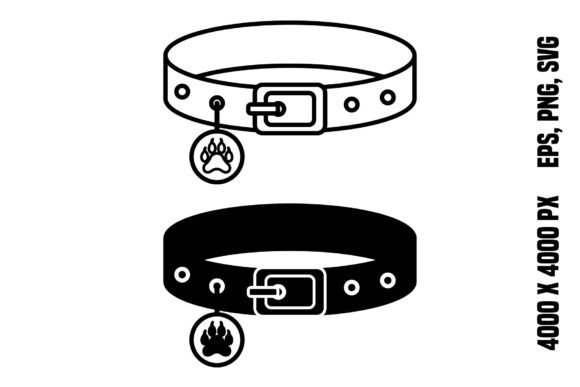
The first thing I noticed about Dog Collar Icons is its clean, minimalist aesthetic. The design elements are straightforward—think paw prints, collars, and small icons that evoke a sense of pet ownership and style. The layout is organized, with two main vector elements that feel like they could be used together or separately. The high-resolution files (300 dpi, 4000 x 4000 pixels) suggest the design is meant for detailed work, which is a good sign for anyone looking to create something visually appealing.
The transparency in the PNG and SVG formats makes it easy to layer over different backgrounds, which is great for mockups or digital product previews. However, the simplicity of the design also means it may not stand out on its own unless paired with the right colors and fabrics.
Real-World Embroidery Use Cases
One of the first projects I thought of was a custom embroidered tote bag for a boutique shop. Dog Collar Icons could work well as a subtle accent on the side or bottom of the bag. The design isn’t too busy, so it won’t overwhelm the fabric, but it still adds a unique touch that could attract customers looking for personalized gifts or handmade items.
For a sweatshirt or t-shirt, the design would need to be scaled appropriately. If the design is too small, it might get lost in the fabric. If it’s too large, it could appear cluttered. Testing it on scrap fabric first is essential to determine the best size and placement.
When it comes to baby items, like onesies or blankets, the design could be a nice addition. However, I’d want to ensure the stitch density is low enough to avoid stiffness on delicate fabrics. The same applies to patches, where the design needs to be durable and flexible enough to withstand repeated washing.
Where to Be Cautious
While Dog Collar Icons has potential, there are certain scenarios where it might not perform as well. For instance, using it on small hoop sizes could lead to stitching issues, especially if the design includes fine details. Thin or stretchy fabrics may also pose challenges, as the design might not hold up well under stress or repeated use.
On dark fabrics, the design might not show up as clearly, depending on the thread color chosen. It’s important to test the design in black and white mockups to see how it translates. Similarly, on textured or layered garments, the design could become less visible or distorted during the stitching process.
Impact on Visual Appeal and Customer Perception
When it comes to visual appeal, Dog Collar Icons is functional but not particularly eye-catching. It works best as a supporting element rather than the main focus of a design. That said, it can add a professional touch to handmade products, especially when used consistently across branding materials.
For small business owners and Etsy sellers, consistency is key. Using a design like Dog Collar Icons across multiple products can help build brand recognition. However, it’s important to ensure that the design doesn’t look cheap or unrefined. The quality of the embroidery file and the execution of the stitches play a big role in how customers perceive the finished product.
When it comes to giftability, the design is more suited for niche markets—like pet-related items or personalized gifts for dog lovers. It may not resonate as strongly with a broader audience, so knowing your target market is crucial.
Practical Designer Notes
Before using Dog Collar Icons in any project, I recommend testing it on scrap fabric. This will help you understand how the design looks in real life and whether it meets your expectations. Checking thread color contrast is also important—especially if you’re working with light or dark fabrics.
Reviewing the stitch density is another step that shouldn’t be skipped. If the design is too dense, it could cause puckering or damage to the fabric. Confirming the correct hoop size is also essential, as using the wrong size can lead to misalignment or incomplete stitching.
Inspecting small details, like corners or intricate lines, is important too. These areas can sometimes be problematic during the embroidery process. Testing the design in both black and white and color mockups will give you a better idea of how it will look on different backgrounds.
Using the proper stabilizer is another factor that can make or break the final result. Depending on the fabric type, you may need to adjust the stabilizer to prevent distortion or shifting during stitching.
Finally, before selling anything that uses Dog Collar Icons, make sure you understand the licensing terms. Even though the product description mentions it’s a digital file, it’s always good to double-check what you’re allowed to do with it, especially if you’re planning to sell finished products or digital assets.
Conclusion: A Solid Choice for Niche Projects
Dog Collar Icons is a practical design that fits well within specific embroidery projects, especially those targeting pet lovers or niche markets. Its clean, minimalist style makes it versatile, but it’s not a one-size-fits-all solution. With careful consideration and testing, it can be a valuable addition to your design library, especially if you're looking to create personalized gifts, handmade items, or small business merchandise.