Life Is Good a Dog Makes It Better: Design Review
When I first opened the Life is Good a Dog Makes It Better Tshir design files, I was looking for something that would connect with customers on a personal level. Dog lovers are a loyal audience, and any design that captures that bond honestly has a head start. This design does exactly that. The mood is warm, genuine, and slightly playful without trying too hard. It feels like something a real person would wear, not just another generic graphic slapped on a shirt. For anyone running a craft business or selling custom apparel, that kind of authentic tone matters more than flashy details.
First Impressions and Visual Personality
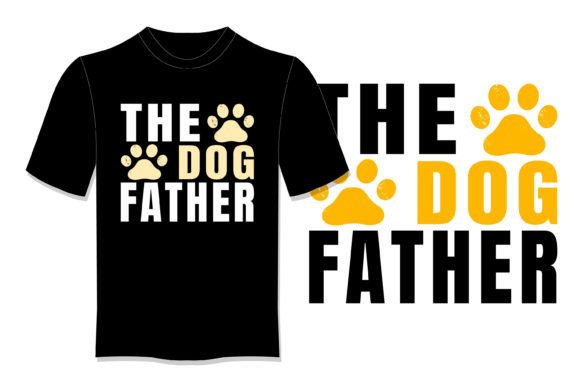
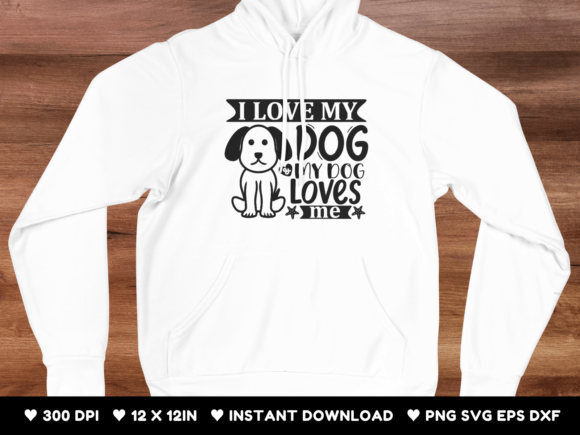
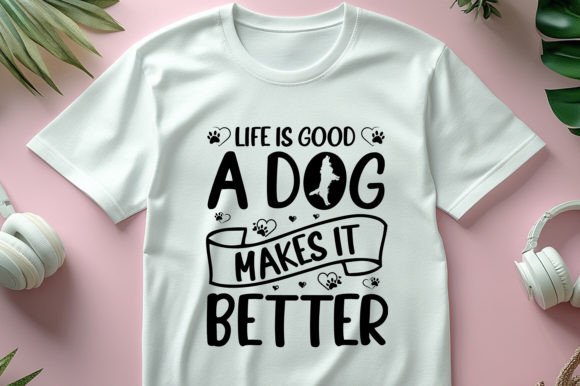
The design centers on a simple but effective message. The layout is clean, with enough breathing room to work well on a variety of products. The lettering has a hand-drawn feel that suits the machine embroidery design world well because it doesn't rely on razor-thin lines that might get lost in stitching. The dog motif is charming without being cartoonish, which makes it appropriate for adult apparel, personalized gifts, and even baby embroidery projects if scaled down. The overall shape is balanced, making it a natural fit for chest placement on a t-shirt, center front on a sweatshirt, or even a tote bag design.
What I appreciate most is the emotional clarity. This design speaks to a specific audience: people who see their dog as family. That kind of targeted appeal makes it easier to market finished products, whether you are listing on Etsy, setting up at a craft fair, or building a small product line for a boutique. Buyers connect with the sentiment quickly, and that drives engagement.
Where This Design Belongs in Real Projects
After testing the Life is Good a Dog Makes It Better Tshir across several product types, I can say it performs best on items that feel personal and giftable. Here is where I would use it without hesitation:
- Custom apparel like t-shirts, sweatshirts, and hoodies for dog owners
- Embroidered patch projects for bags, jackets, or caps
- Tote bag design for pet boutiques or farmers market vendors
- Baby embroidery on onesies or receiving blankets with a smaller hoop
- Holiday gifts for dog-loving friends and family members
- Personalized products like canvas wall art, pillows, or kitchen towels
- Small shop merchandise for pet sitters, groomers, or dog walkers
The design files come with a PNG file POD print-ready at 4500px by 5400px at 300 DPI with a fully transparent background, plus a black transparent PNG, an EPS vector file, and an SVG vector file. That range of formats means you can easily move between print-on-demand platforms and embroidery digitizing software. For anyone running a digital embroidery file shop, the vector formats are especially useful for clean digitizing.
Real Project Test: Embroidering a Custom Tote Bag
I decided to test the design on a heavy cotton tote bag for a client who wanted a gift for her sister's new puppy. The tote needed to feel sturdy, washable, and personal. I imported the SVG vector file into my digitizing software and adjusted the scale to fit a 5x7 hoop. The lettering was clean enough to convert to satin stitch without losing readability, and the dog motif translated well into a combination of fill stitch and running stitch details.
One thing I noticed immediately: the design has enough open space that it does not create excessive stitch density in any single area. That is a huge advantage when working with medium-weight fabrics like cotton twill or canvas. The tote bag came out looking crisp, with the text standing out clearly against the fabric. My client was thrilled, and the recipient ordered two more as gifts. That kind of repeat purchase is exactly what Etsy sellers and small shop product makers rely on.
Performance on Different Fabric Types and Products
I tested the Life is Good a Dog Makes It Better Tshir on several fabric types to see how it held up. Here is what I found:
- Cotton jersey and sweatshirt fleece: Excellent. The design lays flat, and the stitches sink in just enough to feel well-integrated.
- Canvas and denim: Very good. The design holds its shape, though you may need a heavier stabilizer to prevent distortion.
- Performance fabrics and polyester blends: Good, but test first. The stitch density is manageable, but stretchy fabrics require careful hooping and a cutaway stabilizer.
- Baby knits and lightweight cotton: Use a lightweight tear-away stabilizer and reduce the design size slightly to avoid puckering.
- Caps and curved surfaces: The design works better on flat or gently curved surfaces. For caps, keep the design small and avoid dense lettering in the center curve.
The design is also available as a black transparent PNG, which is useful for previewing how it will look on dark backgrounds. I always recommend testing both light and dark fabric options before committing to a production run.
Where to Use This Design with Caution
No design is perfect for every situation, and honesty about limitations is part of good commercial embroidery practice. Here are a few areas where I would be careful with this design:
- Very small hoop sizes: If you are working with a 4x4 hoop, you may need to scale the design down significantly. Check that the lettering remains readable at the reduced size.
- Thin or delicate fabrics: The fill stitch areas require enough fabric structure to support them. Test on a scrap first.
- Dark fabric with dark thread: The design relies on contrast. If you stitch it on a dark shirt with a dark thread color, the message gets lost. Use a lighter thread or an applique approach.
- High-wash items like kitchen towels or baby burp cloths: The design will hold up, but use a good quality stabilizer and trim excess backing carefully to avoid fraying.
- Layered garments with thick seams: If you are embroidering over a pocket or a seam, the design may not sit flat. Plan your placement carefully.
How This Design Affects Product Value and Customer Response
In my experience, designs that evoke a genuine emotional response tend to sell better and generate more positive feedback. The Life is Good a Dog Makes It Better Tshir has that quality. When customers see a finished product with this design, they smile. That might sound simple, but in a crowded market, emotional connection is what separates a product that sits on a shelf from one that becomes a favorite gift.
For small business owners and creative entrepreneurs, this design offers several advantages:
- Brand consistency: The hand-drawn style pairs well with rustic, natural, or pet-focused branding.
- Giftability: The message is universal for dog lovers, which makes it easy to sell year-round.
- Professionalism: The clean layout and clear typography make the finished product look intentional, not homemade.
- Buyer engagement: Customers who relate to the message are more likely to leave reviews, share photos, and return for additional purchases.
I also appreciate that the design works well for both personalized gifts and commercial embroidery projects. If you are an Etsy seller looking to build a consistent product line, this design is a solid foundation piece. You can offer it on multiple product types without changing the core aesthetic.
Practical Notes for Embroidery and Production
Before you use this design in a real project, here are a few practical steps I recommend taking:
- Test on scrap fabric first. Always run a sample stitch-out before committing to a production run. This lets you check stitch density, thread tension, and overall appearance.
- Check thread color contrast. The design relies on readable text. Choose thread colors that stand out from the fabric background. A high-contrast combination will always look more professional.
- Review the design in black and white. Use the black transparent PNG to see how the design reads without color. This helps you evaluate shape and balance objectively.
- Confirm your hoop size. The design is large enough to require a 5x7 hoop or larger for most placements. If you are limited to a 4x4 hoop, plan to scale the design down and test readability.
- Use proper stabilizer. For most apparel, a medium-weight cutaway stabilizer will give you the best results. For lightweight fabrics, use a tear-away stabilizer and reduce stitch density if possible.
- Test on both light and dark fabric backgrounds. The design is provided as a fully transparent PNG, which makes it easy to preview on different backgrounds before stitching.
- Check licensing before selling. Since this design is available as a digital embroidery file and design assets package, make sure you understand the terms for commercial embroidery and finished product sales. Some licenses restrict how you can use the design in physical products or digital downloads.
- Inspect small details at scale. The vector files are clean, but when you scale down for a small project, verify that the dog motif and lettering maintain their clarity.
Final Thoughts Before You Buy or Sell
The Life is Good a Dog Makes It Better Tshir is a well-designed graphic that translates effectively into embroidery and print-on-demand products. It offers a genuine emotional hook, a clean layout, and enough flexibility to work across multiple product categories. Whether you are a hobbyist making a one-of-a-kind personalized gift or a small business owner building a product line for a craft fair or Etsy shop, this design delivers consistent results.
My only caution is to test it thoroughly before scaling up production, especially if you are working with unusual fabrics or small hoop sizes. The design itself is solid, but every embroidery project depends on the specific combination of fabric, stabilizer, thread, and machine settings. A little testing upfront saves a lot of frustration later.
For anyone looking to add a dog-themed option to their product catalog, this is a strong choice. It connects with customers, stitches well, and produces a handmade product that people actually want to wear and give as gifts. That is the kind of finished product that builds a loyal customer base and keeps your craft business growing.