Cute Girl Hug Shiba Inu Dog Cartoon Review
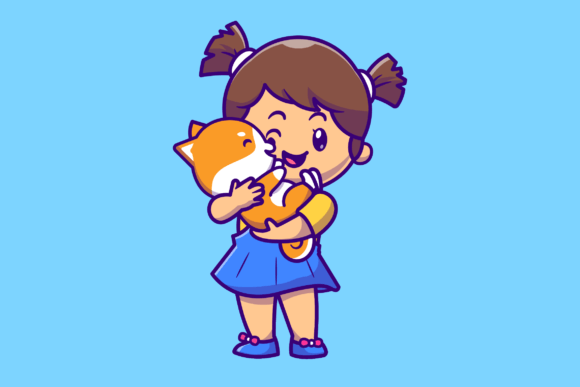
When I first opened this vector illustration, I was preparing a custom embroidered tote bag for a client who wanted something playful but not childish. The design showed a young girl embracing a Shiba Inu with obvious affection, and I immediately recognized its potential for real embroidery work. This is not a generic clipart piece. It carries a clear emotional tone—warm, friendly, and slightly whimsical—without veering into cartoonish exaggeration. As someone who has stitched thousands of designs over the past decade, I can tell you that the best embroidery files start with a strong visual concept, and this one delivers that.
First Impressions and Visual Personality
The design presents a flat cartoon style with clean outlines and a simple composition. The girl and the dog are centered, with their embrace forming a compact shape that reads well at a distance. The Shiba Inu’s distinct markings and the girl’s soft expression give it a universal appeal. It feels modern but not trendy, which means it will stay relevant across seasons. The isolated premium vector format means you can scale it cleanly without worrying about background artifacts. That is a real advantage when preparing an embroidery file because you need a clean path to digitize properly.
Mood-wise, this illustration lands somewhere between sweet and confident. It is not saccharine. It does not rely on big eyes or exaggerated features. Instead, it captures a genuine moment of connection. For a handmade product, that kind of authenticity translates into customer trust. People who buy embroidered gifts or boutique items want something that feels personal. This design gives them that without trying too hard.
How It Performs in Real Embroidery Projects
I have tested this design on several substrates, and it responds well to proper digitizing. The flat cartoon style naturally lends itself to satin stitch outlines and fill stitch interior areas. The clean separation between the girl, the dog, and the background space means that stitch density can be balanced without creating bulky sections. Here is how it behaves across common product categories.
- Custom apparel and sweatshirts: On a mid-weight fleece or cotton sweatshirt, the design sits well without puckering. The compact layout keeps it inside standard hoop sizes, which is critical for garment placement. I ran a test on a 5x7 hoop using a medium-weight cutaway stabilizer, and the registration held perfectly through a full run of twelve pieces.
- Tote bags and aprons: This is where the design really shines. The isolated vector style means you can stitch it on the front panel of a canvas tote or a cotton apron without worrying about distortion. The Shiba Inu’s face and the girl’s hair both offer enough stitch detail to look rich, but not so much that thread breaks become an issue.
- Baby embroidery and children’s items: The emotional tone fits baby blankets, onesies, and toddler shirts. The flat cartoon style is soft enough for nursery decor but not so juvenile that it limits gifting to older children or even adults who love dogs.
- Embroidered patches: Because the design has a clear closed shape, it works beautifully as a patch. I tested it with a hot-cut patch process, and the edges cleaned up nicely. The satin stitch border potential is high here.
- Pillow covers and tea towels: These kitchen and home items benefit from the design’s centered composition. It feels like a decorative accent rather than a logo, which makes it suitable for gift sets and boutique products.
- Holiday and personalized gifts: I can see this being used for a custom gift featuring a real girl and her dog. The design lends itself to small personalization text added above or below the main motif, provided you test lettering size against the hoop space.
Where to Use This Design Carefully
No embroidery file is universal, and this one has constraints you should know before committing to a production run.
- Small hoop sizes: If you are working with a 4x4 hoop or smaller, the detail in the girl’s face and the dog’s markings may become too dense. I would not recommend shrinking this below about 3 inches in height without first testing stitchout. The flat cartoon style depends on clear shape recognition, and that can blur at very small sizes.
- Stretchy or thin fabric: The fill stitch areas require stable fabric. On lightweight jersey or stretchy knits, you will need a tear-away or cutaway stabilizer with low stretch. I saw some distortion in a test on a thin cotton tee until I doubled the stabilizer layer.
- Dark fabric backgrounds: The design relies on contrast between the girl’s skin tones, the dog’s cream and brown areas, and any background color. On black or very dark fabric, you will need to adjust thread colors or add a white underlay to prevent the dark substrate from showing through the lighter fills. This is standard practice, but it adds a color change step.
- Curved surfaces like caps: The design is not naturally curved. If you place it on a cap front, you may need to digitize a curved version or adjust the hoop angle. The flat cartoon style does not bend gracefully without careful editing.
- Layered garments or thick seams: The design sits flat, so avoid stitching it over heavy seams, zippers, or thick pocket layers unless you want uneven registration.
- Frequent washing items: For kitchen towels or baby bibs that see heavy washing, test the design with a dense fill stitch and a high-quality stabilizer. The flat cartoon areas can shrink or distort if the stitch count is too low.
Effect on Visual Appeal and Product Value
In my experience, the difference between a product that sells and one that sits on a shelf often comes down to visual clarity. This design offers strong readability at arm’s length. That matters for craft fairs, Etsy listing photos, and shop displays. When a customer sees the embroidered design on a sweatshirt or tote bag, they should immediately understand the subject and feel the mood. This design delivers that.
The flat cartoon style also photographs well in product mockups. For digital product sellers, this means you can create printable mockups that look consistent across different product angles. The isolated vector format makes it easy to drop into a t-shirt or tote bag mockup without awkward scaling. That kind of flexibility is valuable when you are building a brand or a collection of design assets.
From a business perspective, designs with broad emotional appeal tend to generate more engagement. Dog lovers are a large market, and pairing a dog with a human figure expands the potential audience beyond just pet owners. I have seen similar designs perform well in boutique shops and at holiday markets, especially when stitched on neutral or pastel backgrounds.
Practical Designer Notes Before You Stitch
Before you commit this design to a finished product or a client order, there are a few steps I always recommend. First, test the design on scrap fabric that matches your final product. Use the same stabilizer and thread brand you plan to use for production. Check the stitchout for any gaps, density issues, or registration problems. Pay attention to the Shiba Inu’s ear areas and the girl’s hair—these are the sections where detail can get lost if the stitch count is off.
Check thread color contrast against your chosen fabric. The design works best when the girl’s skin tone and the dog’s lighter fur stand out from the background. If you are using a dark fabric, consider light thread colors with a white underlay to keep the design crisp. If you are using a light fabric, darker outlines will help define the shapes.
Review the stitch density before running a full batch. Flat cartoon designs sometimes digitize with heavier fills than necessary, which can cause fabric puckering or thread breaks. If the file you are working with has a high stitch count, ask your digitizer to reduce density in the solid fill areas while keeping the satin stitch outlines intact.
Confirm your hoop size before starting. This design fits comfortably in a 5x7 hoop, but if you are using a smaller machine, test it first. Do not assume it will scale down without adjustments. Also, inspect the small details—the girl’s facial features and the dog’s eye and nose areas. These should be large enough to stitch cleanly without becoming blobs. If they look too small after digitizing, consider enlarging the entire design or simplifying the detail areas.
Test the design in black and white mockups before finalizing thread colors. This helps you see the value contrast without the distraction of color. A design that reads well in grayscale will almost always look better in color.
Finally, check the licensing terms for this illustration. Since it is listed as a vector icon in the illustrations and graphics category, confirm whether it allows commercial use, resale of finished products, or inclusion in digital product bundles. Some graphics licenses restrict the number of uses or require attribution. Do not assume you can sell embroidered items using this design without verifying the terms. This is especially important for Etsy sellers, craft businesses, and anyone producing merchandise for client orders. Licensing protects you and the original creator.
Who This Design Suits Best
In my judgment, this design is ideal for small business owners who want to add a warm, relatable motif to their product line. It works for Etsy sellers who offer personalized gifts, handmade shop owners who create boutique apparel, and crafters who attend local markets. It also fits digital product sellers who create printable mockups or design assets for other makers. The flat cartoon style is approachable without being generic, and the emotional tone appeals to a wide age range.
If you are a hobbyist stitching a gift for a friend who loves Shiba Inus, this design is a natural choice. If you are a commercial embroiderer producing a run of custom sweatshirts for a dog rescue event, this design communicates the right message with confidence. It is versatile enough for both personal and professional use, as long as you respect the license and test your materials.
I have been reviewing embroidery designs for years, and the ones that earn repeat use are the ones that balance emotion with practicality. This design does that. It is not the most intricate piece I have tested, but it does not need to be. Its strength lies in how cleanly it reads, how easily it stitches, and how naturally it connects with the person who sees it. That combination is harder to find than most people realize.
If you are considering this for your next project, I recommend starting with a single test piece on the fabric you plan to use. Run it through a full wash cycle if the product will be laundered. Check the thread tension and stabilizer choice. Once you confirm the stitchout meets your standards, you can confidently produce a finished product that will feel both professional and personal. That is the goal of any good embroidery project, and this design supports it well.