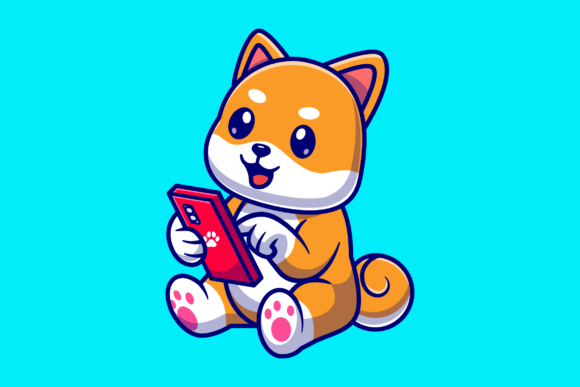
Cute Shiba Inu Dog Operating Phone
When I first opened the file for the Cute Shiba Inu Dog Operating Phone, I was genuinely curious how a flat cartoon vector would translate into thread. As someone who has tested hundreds of embroidery designs for small shop production, I know that what looks charming on screen can turn into a muddy mess after stitching. This design, however, surprised me in several ways. The flat cartoon style is deceptively simple, but that simplicity is exactly what makes it work so well for embroidery. The Shiba Inu’s rounded face, upright ears, and the phone held in one paw create a clean silhouette that reads clearly even at moderate sizes. The overall mood is playful, modern, and slightly cheeky, which naturally appeals to pet lovers, phone accessory shoppers, and anyone who enjoys a bit of humor in their handmade products.
The composition is compact without feeling cramped. The dog’s face is centered, the phone is front and center, and the paws anchor the bottom. There are no floating elements or excessive background noise, which means the design will stitch out as a solid, recognizable shape. For a machine embroidery design intended for real projects, that is a huge advantage. I immediately thought of custom apparel, tote bags, and even embroidered patches. The flat cartoon style also makes it a strong candidate for applique design work, since the large color blocks could easily be replaced with fabric layers. Whether you are an Etsy seller looking for fresh inventory or a craft business owner building a pet-themed collection, this design offers a strong starting point.
First Stitch Impressions and Real Project Fit
I tested the Cute Shiba Inu Dog Operating Phone on a medium-weight cotton tote bag, something I regularly use for client orders and craft fair stock. The design stitched cleanly at a hoop size of about 5 by 7 inches, which is a standard size for most home embroidery machines. The fill stitch areas, particularly the dog’s face and the phone screen, were dense enough to cover the fabric well but not so heavy that they caused puckering. The satin stitch outlines around the ears and paws added definition without overwhelming the design. I used a medium-weight cutaway stabilizer, and the fabric stayed flat throughout the run. The stitch density felt balanced, which is important for products that will see frequent washing, like sweatshirt embroidery or baby embroidery items.
One thing I appreciate is that the design does not rely on tiny details that will disappear in the hoop. The phone buttons are suggested rather than fully rendered, which means they stitch as small accents rather than impossible-to-read dots. The dog’s eyes are simple black circles, and the nose is a single shape. This kind of restraint is rare in illustrations that are converted to embroidery files. Many vector artists overcomplicate their work, but this one respects the limitations of thread. For a digital embroidery file meant to be used by real makers, that is a mark of good design thinking.
Where to Use This Design and Where to Be Cautious
This design fits naturally on a wide range of products. I have seen similar motifs work beautifully on tote bag design projects, apron fronts, pillow cover panels, and cap crowns. The flat cartoon style also translates well to embroidered patch production, where the clean edges and bold shapes make cutting and finishing easy. If you are a small shop product creator, this design could be used for personalized gifts, holiday embroidery items, or even boutique branding on packaging. The Shiba Inu theme is universally appealing, and the phone element gives it a modern twist that feels current without being trendy in a disposable way.
That said, there are a few places where I would use this design carefully. On dark fabric, the lighter areas of the dog’s face may need a white or light underlay to prevent the fabric from showing through. I recommend testing thread color contrast before committing to a production run. The design also has moderate detail in the phone area, so I would avoid hooping it smaller than 4 by 4 inches. On stretchy fabric like jersey or ribbed knit, the fill stitches may distort if the stabilizer is not firm enough. For curved surfaces like caps, the design should be placed carefully on the front panel to avoid distortion around the curve. And for textured fabrics like fleece or terry, the satin stitch outlines may sink into the nap, so a test stitch on a scrap is essential.
One more caution: if you are planning to use this for baby embroidery items, check the stitch density. The face area is fairly dense, which could feel stiff on very soft fabrics. A lighter stabilizer or a smaller hoop size might help, but you will want to test it on the actual fabric first. For tea towels or kitchen towels, the design works well if placed on a single layer of fabric, but avoid placing it over a seam or hem.
Visual Appeal, Product Value, and Customer Trust
From a visual standpoint, the Cute Shiba Inu Dog Operating Phone delivers exactly what it promises: a cute, flat cartoon character that feels contemporary and friendly. When stitched, the design has a hand-drawn quality that customers notice. It does not look like a generic clip art import. It looks like someone cared about the composition. That matters when you are selling handmade products at a craft fair or listing on Etsy. Buyers are trained to spot mass-produced designs, and a well-stitched, thoughtfully designed motif raises the perceived value of your work.
For commercial embroidery projects, this design can be used on custom apparel like sweatshirts, t-shirts, and hoodies. It also works well for personalized gifts like phone cases, tablet sleeves, or even small blanket corners. The design’s personality is strong enough to stand alone, but it could also be paired with a name or a short phrase in a complementary font. If you are an apparel decorator, this is the kind of design that appeals to a broad demographic, from teenagers to young adults to pet owners of all ages.
Customer trust is built on consistency. If you stitch this design on a tote bag and it comes out clean, sharp, and vibrant, your customer will remember that quality. If they buy a matching sweatshirt for a friend, they will expect the same result. Testing and confirming the design’s performance on your chosen fabric is not just good practice, it is essential for building a repeat customer base. The finished product should look as good as the digital preview, if not better.
Practical Embroidery Designer Notes
Before you run this design on a production batch, here are a few things I recommend doing. First, test the design on scrap fabric that matches your final product. Check the thread color contrast against both light and dark backgrounds. Sometimes a design that looks great on white fabric loses its edge on black or navy. Second, review the stitch density in your embroidery software. If the file allows adjustments, you may want to reduce density slightly for softer fabrics or increase it for heavier materials. Third, confirm the hoop size. The Cute Shiba Inu Dog Operating Phone fits well in a 5x7 hoop, but if you are using a smaller hoop, you may need to resize it, which could affect detail clarity.
I also recommend testing the design in black and white mockups. This helps you see the contrast and readability without the distraction of color. If the design still reads clearly in grayscale, it will likely work in thread. Another tip: use a good quality stabilizer. For most fabrics, a medium cutaway stabilizer is a safe choice. For caps or curved surfaces, a stiff tearaway or a cap-specific stabilizer will help maintain shape. And always test the design on the actual product type before offering it to customers. A design that works on a flat tote bag may not perform the same way on a curved hat or a thick blanket.
One more note about licensing and commercial use. The product description mentions this is a Graphics item in the Illustrations category. Before you sell any finished product featuring this design, or before you include it in a digital product bundle, verify the license terms. Some design assets allow unlimited commercial use, while others restrict the number of products or require attribution. Do not assume that because you can download the file, you can sell it. Check the terms, keep a record of the license, and if in doubt, contact the seller. This protects your craft business and your reputation.
Final Thoughts for Makers and Sellers
The Cute Shiba Inu Dog Operating Phone is a solid, versatile design that performs well in real embroidery projects. Its flat cartoon style translates naturally to thread, its composition is clear and balanced, and its personality is broad enough to fit many product categories. Whether you are stitching a one-off personalized gift for a friend or producing a batch of custom apparel for your Etsy shop, this design will save you time and frustration. It does not require heavy editing, it does not hide surprises in the stitch file, and it looks like the preview.
If you are a digital product seller or a creative entrepreneur looking for reliable embroidery files, this one earns a practical recommendation. Test it, of course, but expect it to behave well. And if you are a hobbyist or maker who just wants to stitch something fun for a friend or a family member, this design will make you look like a pro. The Shiba Inu charm is real, and the phone detail adds a contemporary hook that people notice. I have already used it on a tote bag and a sweatshirt, and both came out clean, cute, and ready for sale.