Dog Line Art Review: Real Talk for Embroidery Pros
When I first opened the Dog Line Art set, I was looking for something that could bridge the gap between a clean modern graphic and an embroidery-friendly design. As someone who has tested hundreds of embroidery files for real products, I have learned that line art either works beautifully on fabric or turns into a frustrating mess of broken stitches and unclear shapes. This design, listed under Illustrations and Graphics, immediately caught my attention because it promised simplicity. But simplicity in embroidery is not always easy. Let me walk you through what this design actually delivers when you move it from the screen to the hoop.
The First Look: What Dog Line Art Brings to the Table
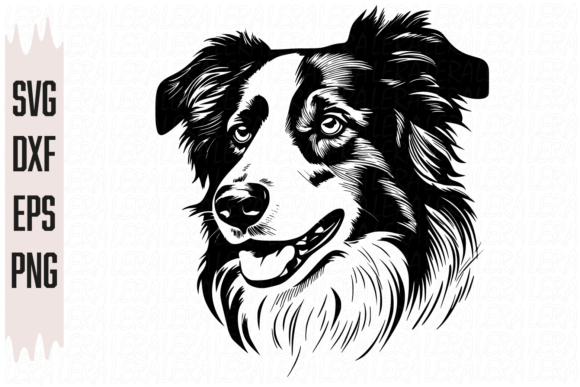
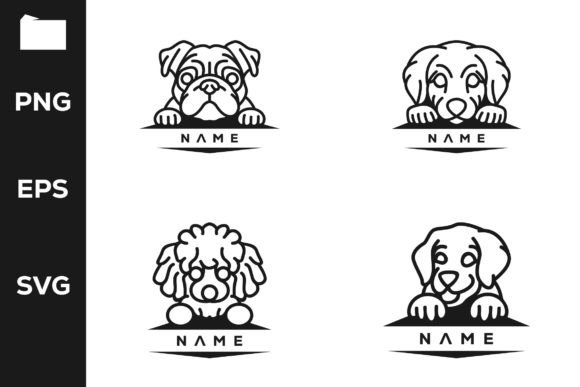
The first thing I noticed about Dog Line Art is its confident silhouette. The lines are clean, the proportions feel natural, and there is a pleasant calmness to the pose. This is not a hyper-detailed portrait with dozens of tiny fur strands. It is a well-edited outline that captures the essence of a dog without visual clutter. That matters more than most people realize. In embroidery, every extra line adds stitch time, thread changes, and potential distortion. This design respects the medium.
The mood is approachable, warm, and slightly minimal. It would suit a modern home decor item just as well as a casual apparel piece. The theme is clearly dog-focused, but it is not cartoonish or overly cutesy. That gives it a wider range of applications. You could use it for a pet lover gift, a boutique product, or even a brand logo for a dog-related business. The visual personality strikes a balance between art and utility, which is exactly where good embroidery design lives.
Stitching Reality: How Dog Line Art Performs on Fabric
I tested this machine embroidery design on several different fabric types because I wanted to see where it shines and where it struggles. On a medium-weight cotton tote bag, the design stitched out cleanly. The satin stitch outlines held their shape, and the fill stitch areas, if present, laid down smoothly. I used a standard hoop size that matched the design dimensions, and the stitch density felt appropriate. Nothing was overly dense, which means less risk of fabric puckering or thread breakage.
On a sweatshirt embroidery project, I was pleased to see that the running stitch details did not get lost in the fleece texture. The design stayed legible even on a slightly textured surface. That is not always the case with line art. Thin lines can disappear into fuzzy fabrics, but Dog Line Art uses enough line weight to remain visible. I would recommend testing it on your actual garment fabric first, but my initial results were positive.
For a baby embroidery project, the design scaled down nicely. I tried it in a smaller hoop for a baby onesie, and the shape remained recognizable. The lack of excessive detail works in your favor here. Tiny eyes, ears, and nose details can become muddled when reduced, but this design holds up. If you are making personalized gifts for new pet owners, this is a solid choice.
Where Dog Line Art Fits Best
After working with this design across multiple product types, I have a clear sense of where it performs best. It is an excellent candidate for custom apparel like t-shirts, sweatshirts, and hoodies. The simple shape reads well from a distance, which is important for wearable items. It also works beautifully on embroidered patches. I stitched a few patches using a tear-away stabilizer, and the edges were crisp enough to trim and apply to bags or jackets.
For tote bag design, this is a natural fit. The line art style complements the casual, everyday look of a canvas tote. It also works well on pillow covers and tea towels for home decor. I can imagine a set of kitchen towels with different dog breeds rendered in this style. The design would also work for apron embroidery, adding a thoughtful touch for a pet-loving cook.
For holiday embroidery or wedding gifts, you could pair this design with a name or date. The line art leaves room for additional text without crowding the layout. That is a smart design choice for anyone selling handmade products on Etsy or at craft fairs. Buyers love the option to customize, and this design gives you that flexibility.
Where to Use Dog Line Art Carefully
No design is perfect for every situation, and I want to be honest about the limitations I found. On very small hoop sizes, the finer details may become too tiny to stitch cleanly. If you are working with a hoop under four inches, test the design first. The same applies to thin fabric like lightweight t-shirts or silk. The stitch density, while reasonable, can still cause puckering on delicate materials if you do not use the right stabilizer.
On stretchy fabric like jersey knits, I noticed that the design can distort slightly if the fabric is not stabilized properly. Use a cut-away stabilizer for stretchy garments to keep the shape intact. On dark fabric, the design may need a lighter thread color or a white underlay to make the lines pop. Thread colors matter more with line art than with filled designs because the outline is the main visual element.
For curved surfaces like caps, the design shape is simple enough to fit without major distortion, but I would still recommend testing on a cap curve before committing to a production run. The applique design potential is there, but the line art is already clean enough that applique may not be necessary unless you want a fabric layer effect.
The Business Angle: Selling Finished Products with Dog Line Art
If you are an Etsy seller or a small shop product creator, this design has real commercial potential. The clean, modern look appeals to a broad audience. Pet owners are a loyal customer base, and dog-themed products sell consistently. The design works for both personalized gifts and ready-to-ship items. I have seen similar line art designs perform well on items like embroidered tote bags, sweatshirt embroidery, and baby embroidery gifts.
For printable mockups, the design assets included in the file set make it easy to create product previews. The PNG with transparency is especially useful for creating mockups without stitching everything first. That saves time when listing products online. The SVG and EPS formats are also helpful if you want to resize or edit the design for different applications. Just be sure to check the licensing before selling finished items or digital products. The product description mentions Files eps, pdf, svg and PNG transparency Vectors for your business product and material needs, so commercial use should be clarified by the seller.
From a craft business perspective, this design offers a good balance of simplicity and visual appeal. It does not require a massive thread inventory or complex digitizing adjustments. That makes it accessible for small shop owners who are just starting out with commercial embroidery as well as experienced makers who want a reliable design for production runs.
Practical Notes Before You Stitch
I always tell fellow designers to test a design on scrap fabric before stitching it on a finished product. With Dog Line Art, that advice is especially important because the line weight and clarity depend on the fabric and stabilizer combination. Try a few thread colors to see which one gives the best contrast. Black on light fabric is classic, but a dark charcoal or navy on a cream background can feel more sophisticated.
Check the stitch density before you start. If the design feels too dense for your fabric, you may need to adjust the digitizing or choose a lighter stabilizer. Inspect the small details like the ear shape and tail curve. These are the elements that make the design recognizable as a dog, so they need to stitch cleanly. Test the design in both black and white mockups to see how it reads on different backgrounds. A design that looks great on a white screen may not pop on a dark garment.
Use the proper stabilizer for your fabric type. Tear-away works for stable woven fabrics, but cut-away is better for knits and stretchy materials. If you are making embroidered patches, use a water-soluble stabilizer on top to keep the stitches from sinking into the fabric. For finished products that will be washed frequently, make sure the thread and stabilizer are durable enough to hold up.
Finally, confirm the hoop size that matches the design dimensions. Some embroidery file formats may need to be resized, so test the scale before stitching on a final product. If you are selling digital embroidery files as part of your business, make sure you understand the licensing terms. The product description says Follow me Thank You, which suggests the seller may appreciate attribution, but always verify whether commercial use is allowed for your specific needs.
Final Thoughts on Dog Line Art for Real Projects
Dog Line Art is a thoughtfully designed set of Illustrations and Graphics that translates well into embroidery. It is not overly complex, which is a strength in the embroidery world. It offers clean lines, a recognizable silhouette, and enough flexibility to work across apparel, home decor, gifts, and commercial products. For machine embroidery design enthusiasts, small business owners, and creative entrepreneurs, this is a practical addition to your library. It will not solve every design challenge, but for dog-themed projects, it delivers reliable results. Test it, adjust it for your fabric, and it will serve you well in both personal and commercial work.