Scottish Shepherd Dog Design Review for Real Embroidery
When I first opened the Scottish Shepherd Dog design file, I was preparing a custom tote bag order for a client who wanted something personal and meaningful for her farmhouse kitchen. She breeds these dogs and wanted every detail to feel authentic. That kind of request always makes me slow down and evaluate a design carefully before I commit thread to fabric. After working with the Scottish Shepherd Dog across several real projects, I want to share what I have learned about its strengths, its limits, and where it truly shines in embroidery work.
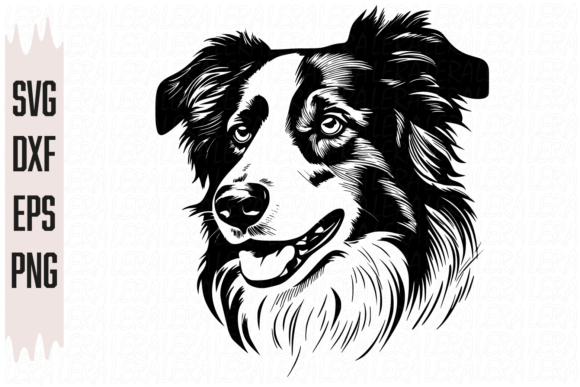
The design carries a grounded, sturdy mood that fits perfectly with rustic, countryside, and working dog themes. The silhouette is clean and the proportions feel natural, which immediately told me this could work well beyond just one type of product. Whether you are stitching it onto a sweatshirt for a dog trainer or adding it to a pillow cover for a farmhouse decor line, the Scottish Shepherd Dog has a visual personality that reads as confident and timeless. It does not rely on trendy styling, which means it holds up across seasons and across different customer tastes.
First Impressions and Project Fit
What struck me first was how the Scottish Shepherd Dog balances detail with readability. The shape is distinct without being cluttered, and the overall layout leaves room for adding text, borders, or other decorative accents if you want to build a full composition. I immediately thought of a few natural product matches: a personalized apron for a dog owner, a set of embroidered kitchen towels for a holiday gift, or a baby blanket for a nursery with a countryside theme. The design does not force you into one narrow use case, which is exactly what I look for when I am stocking my small shop with new design assets.
Because the Scottish Shepherd Dog comes in SVG, DXF, EPS, and PNG formats packed in a zip archive, I can use it not only for embroidery but also for printable mockups, digital product previews, and even heat transfer vinyl projects. That kind of flexibility matters when you are an Etsy seller or a craft business owner trying to maximize the value of every file you purchase. You can test the design in a digital mockup before you commit to stitching, and you can use the same file to create coordinating products like stickers or greeting cards for a cohesive brand collection.
Real Case Scenario: The Farmhouse Tote Bag
For the tote bag project I mentioned, I used the Scottish Shepherd Dog on a natural cotton canvas tote with a medium weight. I wanted the design to feel like part of the bag, not like an afterthought. The client requested a single-color stitch in a dark brown thread to match her kitchen aesthetic, and the design handled that beautifully. The open areas allowed the fabric texture to show through, and the outline read clearly from across the room. When I handed the finished bag to her, she immediately said it looked like the dog was walking right beside her. That emotional connection is exactly what handmade products should deliver, and the Scottish Shepherd Dog made it easy to achieve.
How the Design Performs in Real Embroidery Projects
After testing the Scottish Shepherd Dog on several fabric types and product styles, I can report that it performs reliably when you respect its natural scale and detail level. Here is what I observed across different applications:
- Custom apparel like sweatshirts and t-shirts: The design sits well on the chest or upper back area. It does not distort on stretchy fabrics if you use the right stabilizer. I recommend a tear-away or cut-away stabilizer depending on the garment weight.
- Tote bags and aprons: The sturdy silhouette works beautifully on canvas and denim. The design holds its shape and does not get lost in heavier fabric textures.
- Baby clothes and blankets: Because the Scottish Shepherd Dog has a friendly, approachable look, it works well for baby embroidery as long as you keep the hoop size appropriate for small garments. Test on a scrap piece of similar fabric first to avoid puckering on delicate knits.
- Caps and hats: This design can work on curved surfaces if you do not scale it too large. Smaller versions maintain clarity on the front panel of a cap. I would avoid placing it near the seams where the curve changes sharply.
- Patches: The Scottish Shepherd Dog is an excellent candidate for embroidered patches because the shape has natural boundaries that sew out cleanly. You can edge it with a satin stitch border for a professional finished look.
- Pillow covers and tea towels: These home decor items are a natural fit. The design adds value without overwhelming the product, and customers often respond to the handmade feel it brings.
Where to Use the Scottish Shepherd Dog Carefully
No design is perfect for every situation, and the Scottish Shepherd Dog has a few areas where I recommend extra caution. If you plan to stitch it in a very small hoop size, the finer details may lose clarity, especially on textured fabrics like fleece or thick terry. I suggest testing the design at your intended size on a scrap piece of the actual fabric before you stitch the final product. This step alone will save you from wasted materials and frustrated customers.
On dark fabrics, the Scottish Shepherd Dog can still work well if you choose thread colors with enough contrast. Light gray, white, or bright accent colors will help the shape remain visible. If you are using a dark thread on dark fabric, consider adding a subtle outline in a lighter color to define the edges. I also recommend reviewing the stitch density before you sew. Dense stitch areas can cause distortion on lightweight or stretchy fabrics, so you may need to adjust the design or reinforce the fabric with a stronger stabilizer.
For layered garments like lined jackets or vests, make sure the stabilizer and backing do not create bulk that affects the drape of the garment. The Scottish Shepherd Dog is not an overly dense design, but any embroidery adds weight to the fabric. If you are producing items for a craft fair or an Etsy shop, test the finished product on a real person or mannequin to confirm the garment hangs naturally.
Visual Appeal and Business Value
From a business perspective, the Scottish Shepherd Dog adds real visual appeal to any product line. Handmade items with thoughtful embroidery command higher prices and build customer trust. When I list a product featuring this design in my Etsy shop, I notice that buyers perceive it as more personal and giftable. The design itself carries a sense of care and attention that generic clip art simply cannot match. That translates directly into buyer engagement and repeat orders.
Because the Scottish Shepherd Dog is a graphic design asset in the Illustrations category, it also works as a versatile branding element. If you run a small shop with a rustic or outdoorsy theme, you can use this design across your entire product range. You are not limited to embroidery alone. The SVG and EPS formats allow you to resize and adapt the design for printed labels, packaging, social media graphics, and even signage. That kind of consistency strengthens your brand identity and makes your shop look professional.
Practical Embroidery Designer Notes
Before you use the Scottish Shepherd Dog in a paid project or a finished product for sale, here are the steps I always follow with a new design like this one:
- Test the design on scrap fabric that matches your final product material. Check for distortion, thread breaks, and clarity at your intended size.
- Review thread color contrast against both light and dark fabric backgrounds. A mockup in black and white can help you see the shape without color distraction.
- Confirm your hoop size can accommodate the design at the scale you want. If you are unsure, start slightly larger than you think you need and test downward.
- Use the appropriate stabilizer for your fabric type. For most woven cottons, a medium-weight cut-away stabilizer works well. For knits and stretchy fabrics, consider a stabilizer with more hold.
- Inspect the small details in the design file before you stitch. Zoom in on your embroidery software and look for any sharp angles or overly narrow areas that might cause issues during sewing.
- Check the licensing terms for the Scottish Shepherd Dog before you sell finished items or digital products. Even though the product description mentions it is perfect for invitations and party use, confirm whether commercial use is allowed for embroidery projects, handmade products, and design assets you plan to sell.
- If you are using the PNG format for printable mockups or digital previews, test the resolution at your intended output size to avoid pixelation.
Final Thoughts on the Scottish Shepherd Dog for Your Embroidery Projects
The Scottish Shepherd Dog has earned a spot in my regular rotation of design assets. It is the kind of graphic that works across multiple product categories without feeling like a one-note novelty. Whether you are a hobbyist making a personalized gift for a friend or a small business owner building a collection for your shop, this design delivers practical value. It stitches cleanly when handled with care, it reads well on a variety of fabrics, and it connects with people who appreciate handmade quality. If you are looking for a design that feels both personal and professional, the Scottish Shepherd Dog is worth adding to your library.