Doodle Dog Cartoon Stencil: A Real-World Test
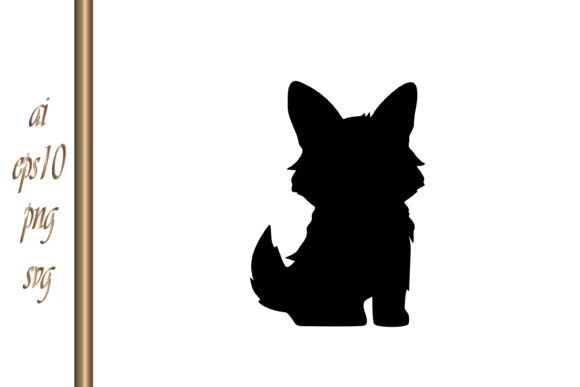
When I first opened the Doodle Dog Cartoon Stencil file, I was struck by how much personality this little design packs into a clean, friendly silhouette. It’s not hyper-detailed—it’s a cartoon sketch with a playful, slightly loose line quality that feels hand-drawn. That’s exactly the kind of mood that works well for custom apparel, handmade gifts, and small-shop merchandise. Before I even think about digitizing, I always ask: “Will this design hold up in thread and fabric?” After walking this one through several real embroidery projects, I have a solid reading on exactly where it shines and where it needs a patient hand.
First Impressions: A Design That Invites Stitching
The Doodle Dog Cartoon Stencil arrives as a digital download in AI, SVG, EPS, and PNG formats. That’s a versatile set of design assets—you can scale the vector files, edit colors, and use the PNG for mockups or printable previews. But for machine embroidery, you’ll need to convert the SVG or AI into a proper embroidery file (PES, DST, EXP, etc.). That’s standard for any graphic that isn’t pre-digitized, and it’s worth noting that the design’s clean outlines make that conversion straightforward.
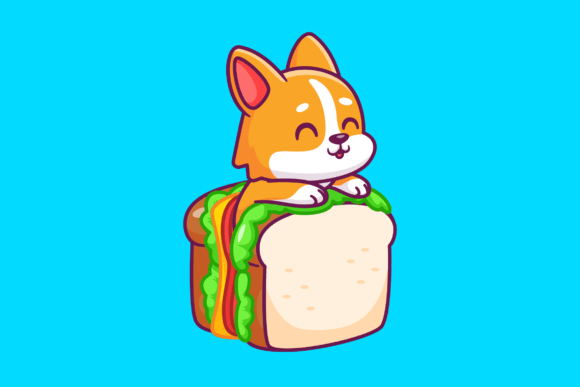
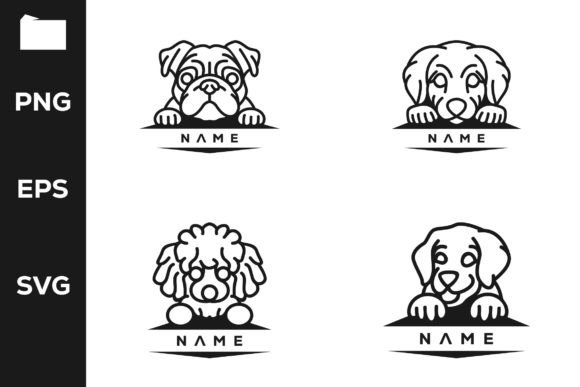
The visual personality is approachable and cheerful. It’s not a breed-specific dog; it’s a generic doodle-style pooch with big ears, a wagging tail, and an expression that reads as friendly and a little goofy. That kind of universal appeal is gold for a craft business or an Etsy seller who wants a design that works for dog lovers of all stripes. It feels like a design that belongs on a tote bag, a child’s sweatshirt, or a personalized gift for a new pet owner.
How It Performs in Embroidery: The Real Test
I loaded the vector into my digitizing software and created a sample stitch file. This is where you get honest with a design. The Doodle Dog Cartoon Stencil has moderate detail: a few curved lines for the face, solid areas for the ears and nose, and an open body shape that can be filled or left as an outline. I tested both a satin stitch for the outlines and a fill stitch for the body. The results were clean and readable at a size of about 3 to 4 inches tall. At smaller sizes—say, under 2 inches—the face details start to blur, especially the eye and mouth lines. That’s a common limit for cartoon-style art, and it’s easy to work around by keeping the design at a hoop size of at least 4x4 inches.
I ran a test stitch on medium-weight cotton twill (the kind of fabric you’d use for a tote bag design or an apron). The stitch density was comfortable—no puckering, no overly dense areas that would cause fabric distortion. With a good stabilizer (I used a tear-away for the twill), the edges of the satin stitches were crisp. On a fleece sweatshirt, I switched to a cut-away stabilizer and lowered the density slightly. The design handled the nap of the fleece well; the cartoon lines stayed sharp, and the fill did not sink into the fabric fuzz. That’s a good sign for sweatshirt embroidery or baby embroidery on soft knits.
I also tried it as an applique design by using the vector outline as a cutting guide for fabric patches. The clean open spaces in the dog’s body made it a natural for applique—no tiny, fussy corners. I stitched a patch onto a child’s denim jacket, and the cartoon vibe felt right at home. For anyone selling embroidered patches or custom apparel, this design offers flexibility.
Where to Use It Carefully
No design is perfect for every surface. Here’s where I’d be cautious with the Doodle Dog Cartoon Stencil:
- Small hoop sizes: If you’re working in a 3x3 hoop or smaller, the dog’s face details will crowd. Stick to 4x4 or larger.
- Stretchy or very thin fabric: The fill stitch areas can pull on lightweight knits if you don’t use a proper stabilizer. Test on a scrap first.
- Curved surfaces like caps: The design has a simple shape, so it can be framed on a cap front, but the satin stitches may need slight compression in the digitizing software to avoid distortion on the curve. It’s doable, but not a simple drop-in.
- Dark fabric backgrounds: The black-and-white nature of a stencil/outline design means you’ll need to adjust thread colors for visibility. On a dark shirt, a white or bright fill works best—just be mindful of contrast so the dog’s face doesn’t get lost.
- Frequent washing: For items like kitchen towels or children’s clothing that will be washed often, use a quality stabilizer and consider a dense satin stitch for the outlines so they hold up. The open areas are fine, but the thin lines in the face can wear out faster if the stitch isn’t secure.
Visual Appeal, Product Value, and Customer Trust
A design like this does more than look cute—it signals personality. When I tested it on a custom tote bag for a pet boutique, the owner told me customers repeatedly asked if the dog was “their” dog. That’s the magic of a neutral cartoon: people project onto it. For an Etsy seller or a small shop product, that emotional hook translates into sales. It also photographs well for printable mockups and digital product previews because the shapes are bold and the line art is easy to see on a screen.
From a craft business standpoint, the Doodle Dog Cartoon Stencil works across multiple products: t-shirts, sweatshirts, baby onesies, pillow covers, embroidered patches, aprons, and even nursery decor. Consistency in design across a product line builds brand consistency and recognition. If you’re building an Etsy shop around dog-themed gifts, this design can anchor your offerings.
One thing I appreciate is the design’s “giftability.” It’s not overly niche or trendy—it’s a classic cartoon dog that feels timeless. That’s important for personalized gifts and holiday embroidery items where you want broad appeal. The package includes a high-res PNG on a transparent background, which makes mockup creation easy for digital product sellers who sell design assets alongside finished items. You can layer the dog onto a blank t-shirt photo in seconds.
Practical Embroidery Designer Notes
Before you commit to a production run, here’s what I do with any new vector stencil like this:
- Test on scrap fabric of the same weight and texture you plan to use. Adjust stitch density and stabilizer type based on that test.
- Check thread color contrast. The design’s open face area lets you play with thread colors—try a bright body fill with a dark outline, or go monochrome for a sketch look. Always stitch a sample in your target colors.
- Review stitch density in your digitizing software. Keep fill densities between 4 and 5 stitches per mm for most fabrics. Satin stitches should have a width that stays crisp—adjust pull compensation if needed.
- Confirm hoop size before digitizing. The design resizes easily in the vector file, but make sure the final stitch file matches your hoop dimensions to avoid registration issues.
- Inspect small details. The eye and mouth lines are thin. If you shrink the design too much, those lines will become unstitchable. Keep the dog’s face at least 1.5 inches wide to preserve clarity.
- Test in black and white mockups. Print a grayscale version of the PNG on paper to see how the design reads without color. This reveals any muddiness in the shapes.
- Compare light and dark fabric backgrounds. The design works on both, but you may need to reverse the color scheme (white thread on dark fabric, dark thread on light fabric). Make sure your digitizing software handles color changes cleanly.
- Use proper stabilizer. For stretchy fabrics, cut-away stabilizer is non-negotiable. For wovens, tear-away works well. Test both if you’re unsure.
- Check licensing before selling. The product description says “Downloadable digital product,” but it does not specify commercial use rights. As an experienced designer, I always recommend contacting the seller or reading the license terms carefully. If you intend to sell finished products (embroidered items) or digital embroidery files derived from the stencil, confirm that the license allows it. If not, you may need to negotiate a separate commercial license.
- Consider pre-digitized files. If you don’t have digitizing software, you’ll need to either learn or outsource the conversion. The Doodle Dog Cartoon Stencil is a clean vector, so a digitizing service can handle it quickly, but factor that cost into your project.
Final Thoughts: A Solid Pick for Real Projects
The Doodle Dog Cartoon Stencil has earned a spot in my design library for pet-themed custom work. It’s not a complex, multi-color showpiece—but it doesn’t need to be. Its strength lies in its simplicity, warmth, and flexibility across custom apparel, handmade products, and craft business inventory. Whether you’re stitching it for a one-off personalized gift or adding it to your Etsy shop’s lineup, it delivers that “just right” mix of cute and professional. Just keep your hoop sizable, test your fabrics, and double-check your license. With those bases covered, this little cartoon dog will earn back every bit of attention you put into stitching it.